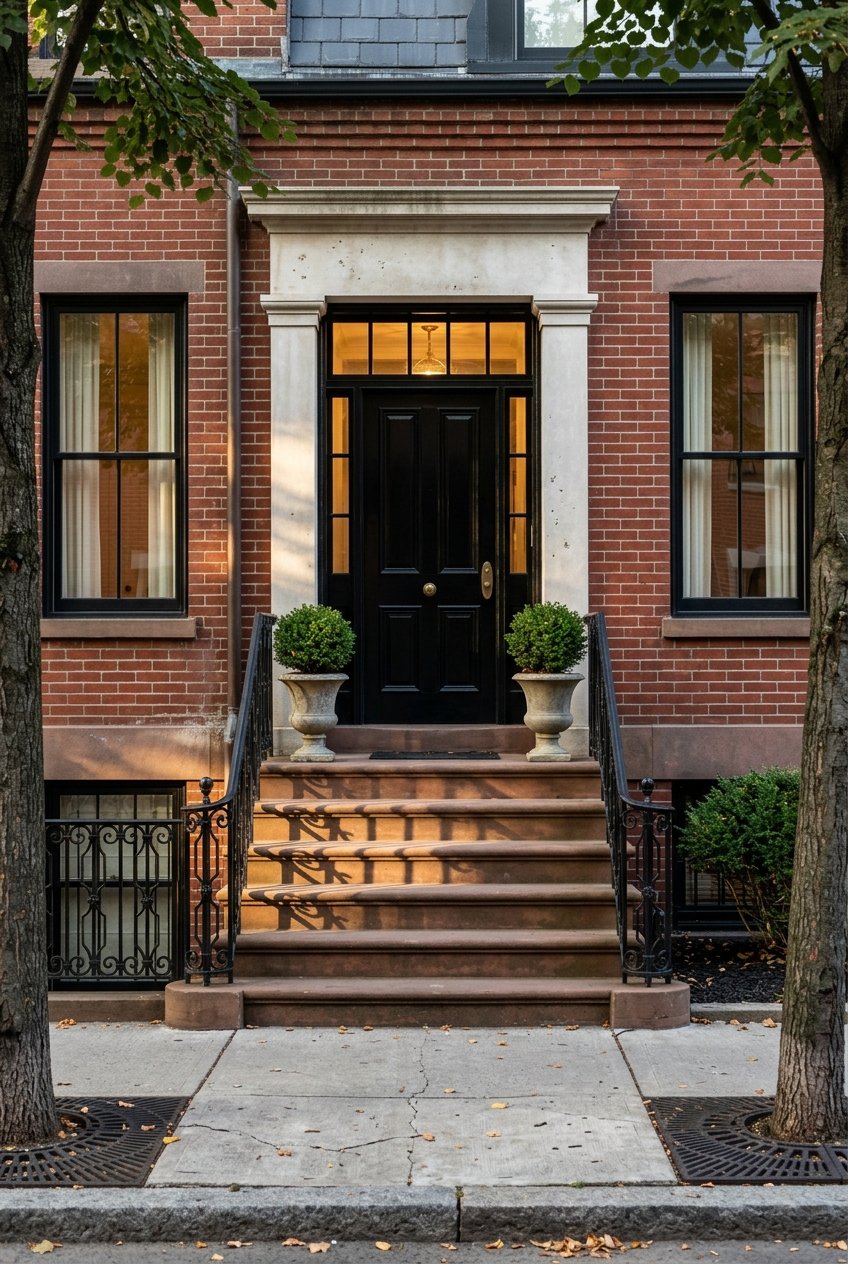
Wondering whether Back Bay fits the way you actually want to live, not just the way it looks in photos? A weekend here can tell you a lot. If you are considering a move to this part of Boston, the right plan can help you test daily rhythms, walkability, convenience, and the feel of the neighborhood before you make a real estate decision. Let’s dive in.
Why Back Bay Feels Distinct
Back Bay has a sense of order and permanence that stands out even in a city known for history. Boston describes it as an early planned residential district shaped by late-19th- and early-20th-century development, with commercial growth beginning on Boylston Street around 1880 and on Newbury Street in the early 20th century.
That history still shows up in everyday life. Back Bay is a protected historic district, established in 1966 and later expanded, which helps explain why the neighborhood feels preserved, layered, and architecturally consistent rather than newly built.
For a future resident, that matters. You are not just choosing a home here. You are stepping into a neighborhood where streetscape, architecture, and public spaces are part of the appeal.
Start Saturday Like a Local
One of the best ways to understand Back Bay is to begin with its green spaces. A morning walk through the Public Garden and along the Commonwealth Avenue Mall gives you a feel for how the neighborhood balances city energy with a more residential pace.
Boston describes the Public Garden as the first public botanical garden in America, established in 1837. The city also describes Commonwealth Avenue Mall as a 32-acre promenade that became the spine of Back Bay and a green link between the Public Garden and the broader park system.
This is more than a scenic start to the day. It shows you how easily daily life here can include a quiet walk, a bench in the shade, or a route that feels elegant and functional at the same time.
Explore Back Bay’s Core Streets
After a walk, spend time on the streets that shape most of the neighborhood’s daily rhythm. Newbury Street, Boylston Street, and Commonwealth Avenue bring together shops, restaurants, landmark buildings, and historic homes in a compact area.
The City of Boston points to these main streets, along with institutions like the Prudential Center, Trinity Church, and the Boston Public Library, as defining features of Back Bay. For you, that means many everyday needs and leisure stops are clustered close together.
This is where a weekend becomes a useful test. You can see how natural it feels to move from coffee to errands to browsing to dinner, all without crossing a large or confusing area.
Use Copley Square as a Reality Check
Copley Square is one of the most practical places to pause and ask yourself whether Back Bay works for your lifestyle. It offers a strong mix of culture, transit access, and everyday convenience.
The Boston Public Library’s Central Library in Copley Square spans two landmark buildings, serves nearly 4 million visitors a year, and holds more than 23 million items. Its Special Collections location at 700 Boylston Street is near Copley Station on the Green Line, Back Bay Station on the Orange Line and Commuter Rail, and several bus routes.
That combination is important if you are thinking like a future resident. It suggests that Back Bay is not only beautiful and well known, but also easy to navigate for reading, meeting, commuting, and weekend errands.
Test the Shopping and Errand Routine
Back Bay’s retail footprint is dense enough to make daily life feel efficient. If you want to know whether the neighborhood can support your routine, spend part of Saturday doing practical stops, not just leisure ones.
Prudential Center says it is a 3.6 million-square-foot mixed-use center with 680,000 square feet of retail and more than 70,000 visitors per day. It also lists practical amenities such as a full-service post office, shoe repair, and car wash.
Those details matter because they move the conversation beyond luxury shopping. They show how the neighborhood can support real-life convenience in a setting that still feels polished and central.
Copley Place adds another piece to that picture. It describes itself as offering 50 iconic luxury brands in historic Back Bay, reinforcing the neighborhood’s position as one of Boston’s premier shopping districts.
See How Dining Fits the Day
A neighborhood can look impressive and still feel inconvenient at mealtime. Back Bay performs well here because dining options fit naturally into the rest of the day.
Prudential Center describes its restaurant mix as ranging from quick-serve options to destinations like Eataly Boston and Del Frisco’s Double Eagle Steak House. That range supports the idea that you can handle a quick lunch, a planned dinner, or an in-between stop without leaving the neighborhood.
For someone considering a move, this compactness is useful. It tells you that dining here is not a special-occasion event only. It can be part of a normal, flexible routine.
End Saturday With Culture
Back Bay’s evening options help complete the picture of what it is like to live here. Instead of needing to travel far for a cultural experience, you can often stay within or just at the edge of the neighborhood.
Symphony Hall is a strong example. The Boston Symphony Orchestra says the hall at 301 Massachusetts Avenue is home to both the Boston Symphony Orchestra and the Boston Pops, and it has been a National Historic Landmark since 1900.
Trinity Church in Copley Square offers a quieter but equally meaningful stop. The parish dates to 1733, and the current building was constructed in Back Bay in the 1870s. The church says it welcomes more than 70,000 visitors each year.
Together, these places show that Back Bay offers more than convenience. It also supports a lifestyle connected to architecture, music, and longstanding civic institutions.
What Sunday Reveals About Daily Life
Sunday is when a neighborhood often becomes easier to judge. Without the structure of a workday, you can pay attention to pace, access, and whether the area still feels comfortable and intuitive.
Back Bay makes a strong case for a mostly car-light lifestyle. The Boston Public Library notes that the Central Library is near Copley Station, Back Bay Station, and multiple bus lines, while also noting that street parking in Back Bay is limited and nearby hotels and shopping centers offer paid garage parking.
That mix points to an important lifestyle truth. In Back Bay, many weekend routines can happen on foot and by transit, while driving may feel more optional than necessary depending on your needs.
A realistic Sunday might include a walk, brunch, time at a library or cultural site, and a few errands, all within a compact area. For buyers and downsizers alike, that kind of proximity can be one of the neighborhood’s biggest advantages.
Ownership in a Historic District
If you are considering a brownstone, row house, or another historic property, it is important to understand how preservation affects ownership. In Back Bay, exterior changes are not simply a private decision.
The Back Bay Architectural District Commission meets monthly, and the City of Boston states that all proposed exterior work must be reviewed and approved before it begins. This is especially relevant if you may want to update windows, façades, or other exterior elements later.
For many buyers, this framework is part of the neighborhood’s value. The same preservation standards that require review also help maintain the visual character that makes Back Bay so desirable.
Why a Weekend Test Matters
A weekend in Back Bay is useful because it gives you a practical way to measure fit. You are not just asking whether the neighborhood is attractive. You are asking whether it supports the way you want to spend your time.
In a compact section of Boston, you can test park access, transit, dining, shopping, culture, and everyday convenience in a short span. That makes Back Bay especially easy to evaluate for someone considering a primary residence, a pied-à-terre, or a lock-and-leave lifestyle.
If your priorities include architectural character, walkability, and proximity to established institutions, Back Bay offers a strong case. The key is to experience it as a resident would, not only as a visitor.
If you are considering a move to Back Bay and want informed guidance on the neighborhood’s historic homes, luxury condominiums, or broader market opportunities, connect with William Montero.
FAQs
What makes Back Bay appealing for future residents?
- Back Bay combines historic architecture, parks, retail, dining, cultural institutions, and transit access in a compact area that can make daily life feel convenient and well organized.
How can you test daily life in Back Bay over a weekend?
- You can walk through the Public Garden and Commonwealth Avenue Mall, spend time in Copley Square, try local shopping and dining, use nearby transit, and see how easy it feels to move through the neighborhood without a car.
Is Back Bay a walkable neighborhood in Boston?
- The neighborhood’s concentration of parks, shops, restaurants, and institutions, along with access to Copley Station, Back Bay Station, and bus routes, supports a mostly car-light weekend routine.
What should buyers know about owning historic property in Back Bay?
- Because Back Bay is a protected historic district, proposed exterior work must be reviewed and approved by the city before it begins, which is an important consideration for buyers of brownstones and other historic homes.
What are key landmarks to visit when exploring Back Bay?
- Useful stops include the Public Garden, Commonwealth Avenue Mall, Copley Square, the Boston Public Library, Prudential Center, Trinity Church, and Symphony Hall.
Is parking easy in Back Bay for residents and visitors?
- Street parking is limited in Back Bay, and nearby hotels and shopping centers offer paid garage parking, so it is smart to factor parking into your weekend test of the neighborhood.
