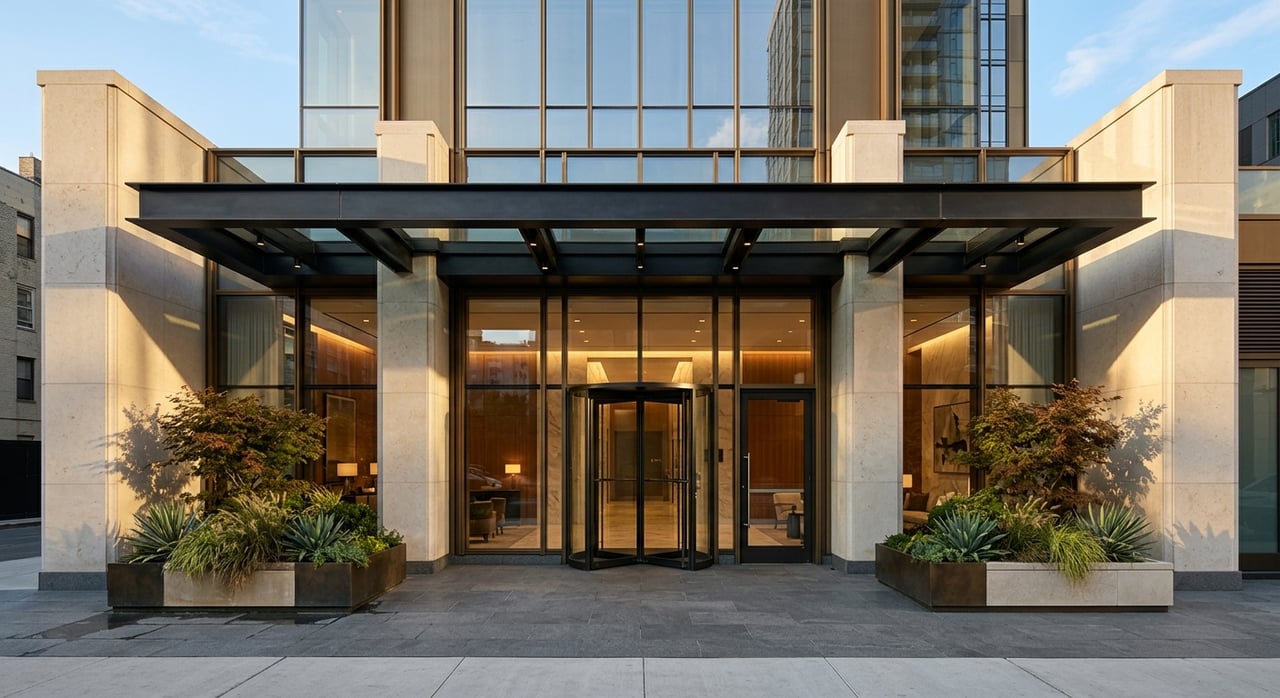
If you are considering a luxury condo in Back Bay, you are not shopping in just one market. You are choosing between very different ownership experiences, from hotel-branded residences with full-service living to boutique brownstone conversions that prioritize privacy and historic character. For buyers and sellers alike, the value is in understanding those differences clearly before you make a move. Let’s dive in.
Why Back Bay Stands Apart
Back Bay remains one of Boston’s most expensive condo markets. The City of Boston reported median condo sale prices above $1.2 million in 2025, compared with a citywide median condo sale price of $721,750. Public listing snapshots also point to a market with high pricing, limited supply, and listings that tend to trade near asking when they are well positioned.
That pricing is tied to more than square footage. Back Bay offers a rare mix of central location, recognizable architecture, and a highly walkable setting anchored by Newbury Street, Boylston Street, Commonwealth Avenue, the Prudential Center, Trinity Church, and the Boston Public Library. For many luxury buyers, that makes the purchase as much about lifestyle and daily convenience as it is about the residence itself.
Another factor shapes the market in a major way: preservation. Back Bay is a protected historic district, and exterior changes are subject to review under local architectural guidelines. That helps preserve the neighborhood’s visual character, but it also limits large-scale change and contributes to a tighter supply of luxury inventory.
Back Bay Has Several Luxury Markets
One of the biggest mistakes you can make is treating all luxury condos in Back Bay as comparable. In reality, the neighborhood includes several overlapping product types, each with its own pricing logic, buyer profile, and resale dynamics.
At a high level, you can think of the market in three buckets:
- Hotel-branded residences
- Newer glass towers
- Boutique elevator buildings and brownstone conversions
If you understand how these categories differ, you can make better decisions on value, fit, and long-term usability.
Hotel-Branded Residences
For buyers who want a highly serviced, lock-and-leave lifestyle, hotel-branded residences are often the clearest fit. These homes tend to appeal to owners who value convenience, privacy, and hospitality-level service over a more traditional residential feel.
Four Seasons Private Residences One Dalton Street is the strongest local example. According to Four Seasons, the building includes 174 private residences in a 61-story tower, with amenities such as a private lobby and members’ club, heated pool, spa and wellness floor, private dining, cinema, lounge spaces, and fitness areas. The hotel side also offers 24-hour concierge service, in-room dining, housekeeping, and related services.
Mandarin Oriental, Boston at 776 Boylston is another important reference point in this category. Its residences launched with 49 units and later expanded with 25 additional one- and two-bedroom homes, and the official site states the residences are completely sold. The service package includes 24-hour concierge, valet, housekeeping, in-residence dining, and a private underground garage.
Who This Product Fits Best
This category is often best for buyers who want:
- A pied-à-terre with minimal day-to-day hassle
- Full-service support and convenience
- Strong emphasis on hospitality-style amenities
- A turnkey ownership experience
The tradeoff is that this style of ownership can feel less intimate than a smaller building. For some buyers, that is a benefit. For others, a quieter and more private setting may matter more.
Newer Glass Towers
If your priorities center on skyline views, modern finishes, and a broad amenity package, newer glass towers deserve close attention. These buildings typically offer more shared features than boutique properties, while feeling somewhat more residential and less hotel-driven than branded residences.
The Clarendon at 400 Stuart Street is a leading example. Related Beal describes it as a 33-story, 103-unit condominium tower completed in 2009, with amenities that include a 24-hour attended lobby, concierge, Equinox fitness club, valet garage, entertainment spaces, a business and tech lounge, a children’s play area, and a landscaped rooftop terrace.
This category tends to attract buyers who want a polished, contemporary home with strong views and a robust building experience. Compared with classic brownstone stock, tower living often offers easier parking, more predictable building systems, and a more extensive amenity stack.
What Towers Typically Offer
Compared with many older Back Bay properties, tower residences often stand out for:
- Floor-to-ceiling views
- Valet or structured garage parking
- Larger amenity programs
- Attended lobbies and concierge services
- Modern layouts and building infrastructure
That said, towers usually offer a different emotional appeal than historic residences. If you value architectural detail, smaller associations, and old-world character, a glass tower may not feel like the right fit even if the amenity package is strong.
Boutique Buildings and Brownstone Conversions
At the more private and architecturally specific end of the market, boutique buildings and brownstone conversions offer a distinct ownership experience. These homes often appeal to buyers who want Back Bay character first and amenities second.
Maison Commonwealth is a useful example. Its official site says the project combines two brownstones into five residences and includes an elevator, secure entrance, and underground garage. That kind of property can offer a rare blend of historic setting and updated convenience without the scale of a major tower.
Another reference point is 65 Commonwealth, described by Back Bay Houses as a 1925, 14-unit cooperative apartment building. Buildings like this tend to draw buyers who care deeply about privacy, architectural detail, and a smaller residential environment.
Why Buyers Choose Boutique Stock
These properties often appeal because they offer:
- Smaller associations
- Greater privacy
- Historic detail and architectural character
- A more intimate residential feel
- Prestige tied to classic Back Bay streetscapes
The tradeoff is usually a lighter amenity package. You may gain character and discretion, but give up the depth of services found in a hotel-branded or larger tower setting.
What Pricing Really Tells You
Back Bay’s luxury market covers a very wide price range, which is why headline numbers only tell part of the story. Redfin shows condos listed from roughly $550,000 to $19.5 million, with a median listing price around $1.59 million and a March 2026 median sale price of $1.434 million. Realtor.com reports a 96% sale-to-list ratio and 151 homes for sale.
The practical takeaway is that buyers may find some negotiating room, but this is not generally a deep-discount market for well-located and well-presented luxury inventory. Sellers who price and position thoughtfully can still attract serious attention, especially when the property aligns with what today’s buyer is seeking.
Boston.com’s luxury coverage reinforces that idea. In early 2026, it identified Back Bay as one of Boston’s strongest submarkets in the $10 million-plus range, noting that buyers at that level are weighing options such as full-service amenities, private outdoor space in historic settings, or turnkey modern luxury. That is a useful reminder that value in Back Bay is often driven by use case and lifestyle fit, not just a simple price-per-square-foot comparison.
What Buyers Should Compare Closely
If you are buying in Back Bay, it helps to compare buildings through the lens of daily life rather than marketing language. Two properties at similar price points can feel very different once you look at how you will actually use the home.
Focus on these factors:
- Service model: Do you want full-service support, basic concierge coverage, or a more independent ownership experience?
- Unit count: Larger buildings may offer more amenities, while smaller ones may offer more privacy.
- Parking: In Back Bay, parking can materially affect convenience and value.
- Storage: Extra storage is often more important than it seems, especially for part-time owners.
- Outdoor space: Private terraces, roof decks, and balconies can carry strong appeal, but availability varies widely.
- Historic restrictions: If you plan to alter exterior elements, local district review matters.
The right match depends on how you intend to live in the home. A full-time residence, a second home, and an executive pied-à-terre often call for very different building types.
What Sellers Should Keep in Mind
If you are selling in Back Bay, your competition is not every condo on the market. It is the subset of listings that a buyer sees as a realistic alternative to yours. That means your positioning should reflect the product category you are actually in.
A boutique Commonwealth Avenue residence should not be marketed the same way as a full-service tower unit. Buyers evaluate these properties through different lenses, and the strongest presentation highlights the right strengths from the start. In this market, service level, privacy, architecture, parking, and building identity can influence perception as much as raw size.
Sellers of older or historically significant properties should also be mindful of renovation-related questions. In the Back Bay Architectural District, exterior changes generally require review, and the guidelines emphasize preservation of facades, materials, cornice lines, and proportional relationships. For buyers considering terraces, roof work, or exterior reconfiguration, this can become an important part of due diligence.
Why Local Context Matters
Back Bay rewards micro-market knowledge. A buyer choosing between One Dalton, The Clarendon, and a boutique brownstone conversion is not simply comparing addresses. They are comparing three different ownership models with different expectations around service, privacy, architecture, and long-term appeal.
That is why broad market averages only go so far. In a neighborhood where inventory is constrained and product types vary so sharply, informed advice matters most at the property level. The details of the building often shape value just as much as the details of the unit.
Whether you are buying a lock-and-leave residence, selling an architecturally significant condo, or weighing the tradeoffs between service and character, Back Bay calls for a precise approach. For tailored guidance in this market, connect with William Montero.
FAQs
What makes Back Bay luxury condos different from other Boston condos?
- Back Bay combines high pricing, limited supply, strong walkability, historic architecture, and several distinct luxury product types, including hotel-branded residences, modern towers, and boutique brownstone conversions.
What should buyers compare when choosing a Back Bay condo building?
- Buyers should compare service level, building size, parking, storage, outdoor space, and whether historic district rules could affect future exterior changes.
What is the difference between Back Bay towers and brownstone conversions?
- Towers usually offer more amenities, views, and attended services, while brownstone conversions often emphasize privacy, architectural character, and smaller associations.
Are Back Bay luxury condos negotiable?
- Public market snapshots suggest some negotiating room exists, but well-positioned luxury listings in desirable buildings generally trade close to asking rather than at steep discounts.
Why do historic district rules matter in Back Bay condo purchases?
- In the Back Bay Architectural District, exterior changes are generally subject to review, which can affect plans for terraces, facade work, roof improvements, or other exterior alterations.
