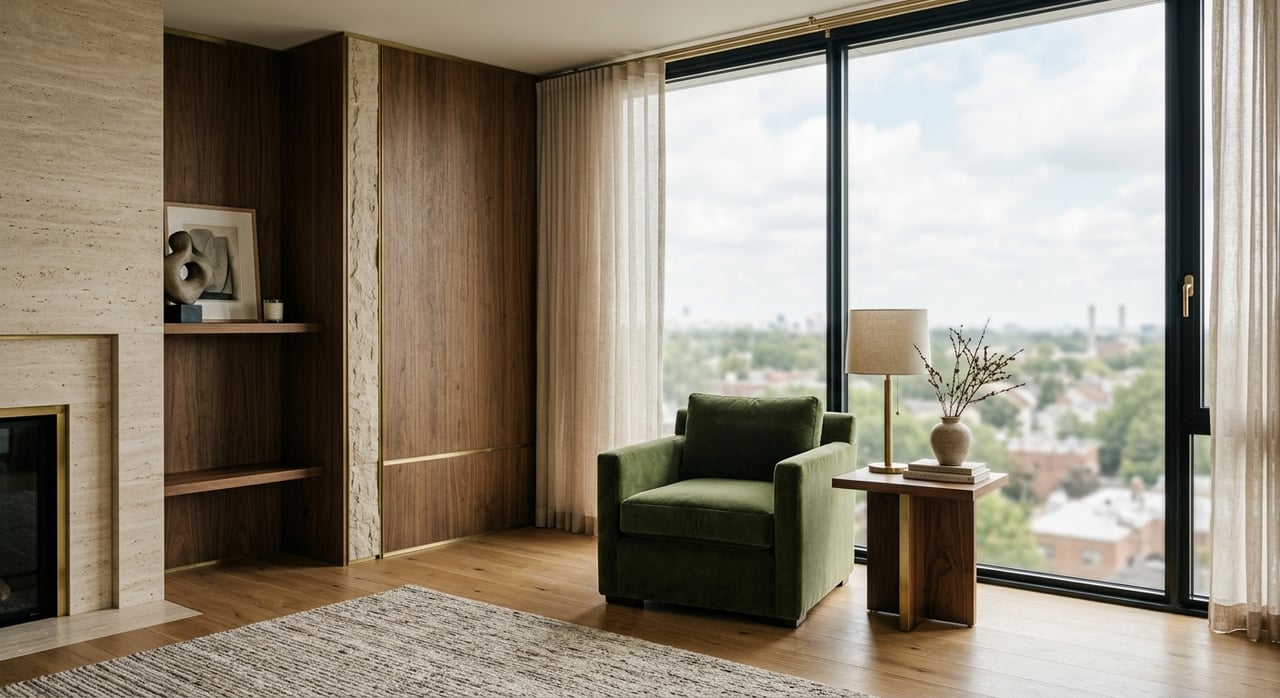
What makes one Back Bay home command a meaningful premium over another that looks similar on paper? In this neighborhood, the answer often comes down to what you can actually live with every day: the view from your main rooms, the floor that changes light and privacy, and a layout that feels elegant instead of awkward. If you are buying or selling in Back Bay, understanding how these premiums work can help you price more intelligently, negotiate with more confidence, and focus on the features that truly hold value. Let’s dive in.
Why premiums matter in Back Bay
Back Bay is not a market where every upgrade carries the same weight. Its position along the Charles River, near Downtown and the Public Garden, gives some homes access to river, skyline, and open-sky outlooks that are difficult to duplicate. At the same time, its historic fabric and protected architectural status make certain exterior features harder to add later.
That matters because Back Bay is also a regulated historic district. Exterior changes are reviewed by the Back Bay Architectural District Commission before work begins. Features such as roof decks, terraces, and certain view corridors can be far more difficult to create after the fact, which helps explain why existing examples often command stronger pricing.
Recent neighborhood data also suggests a market that rewards nuance. Over the three months ending April 2026, Back Bay showed a median sale price of $1,509,439, median days on market of 51, a 96.5% sale-to-list ratio, and 22.3% of homes with price drops. Some recent sales traded above list, while others closed below, which is a good reminder that premiums here are highly unit-specific.
View premiums in Back Bay
A true view premium is usually tied to rarity, usability, and permanence. Research in dense condo markets has found that views are monetized, with one 2026 study estimating about an 11% premium for partial views and 22% for full views relative to no view. The same research suggests that full views tend to hold their value more consistently, while partial views can become less dependable in softer conditions.
In Back Bay, the strongest view cases are usually broad views from primary living spaces. A river-facing living room, a skyline outlook from the main entertaining area, or a clear open-sky exposure will typically matter more than a glimpse from a guest bedroom. Buyers tend to pay more for what they experience daily, not what appears only in a listing photo.
The neighborhood’s physical setting supports this. Back Bay sits along the Charles River and near major Boston landmarks, and the area includes sightlines toward the skyline. When those views are already in place, they often carry more value because historic district rules can limit future rooftop additions or other exterior changes that might otherwise create similar appeal.
What makes a view premium durable
A premium tends to be more defensible when the view is:
- Visible from the main living area
- Broad rather than narrow
- Likely to remain protected over time
- Easy to enjoy in daily life, not just in one corner of the home
A view is usually more negotiable when it is partial, seasonal, distant, or limited to a secondary room. In those cases, the premium may still exist, but it should be measured carefully.
Floor premiums are real, but not automatic
Higher floors often sell for more, but the relationship is not perfectly linear. Research shows that floor-level premiums are generally positive, yet they often diminish as you go higher. Another study found separate per-floor increments ranging from roughly 0.23% to 2.12%, depending on the building and setting.
That pattern fits Back Bay well. This is not a neighborhood made up only of uniform high-rise stacks. Historic row houses, boutique condominiums, and narrower urban blocks mean that the value of a higher floor depends on what it actually improves.
In practical terms, a higher floor may bring more light, more privacy, less street noise, and a better chance of clearing neighboring cornices. But if the extra floor does not meaningfully change the view, or if elevator convenience is limited, the premium can flatten quickly.
When a higher floor matters most
In Back Bay, floor height tends to matter most when it changes your day-to-day experience in visible ways, such as:
- Better natural light
- Less direct street noise
- Improved privacy
- A clearer or wider outlook
If two units have similar interior finishes and square footage, the higher one may deserve a premium only if those benefits are clear. A fifth-floor unit with better light and a cleaner sightline may be more valuable than a third-floor unit. But a sixth-floor unit without a meaningful change in exposure may not justify a dramatic jump.
Layout premiums often hide in plain sight
Square footage gets attention, but layout is often what shapes how a home actually lives. Research on floor plans has found that layout information has meaningful explanatory power in pricing and can improve prediction accuracy. In other words, buyers and renters are not just reacting to size. They are reacting to usability.
This is especially relevant in Back Bay, where many homes sit within older row-house floor plates. Two residences may have similar dimensions, yet one feels calm and efficient while the other feels chopped up by long hallways, dead corners, or awkward room placement. That difference often shows up in value.
A strong layout usually makes the home feel larger than the number on paper. Sensible circulation, well-proportioned rooms, and good wall placement can create a more refined experience without adding a single square foot. In a luxury market, that ease of living matters.
Signs of a premium-worthy layout
In Back Bay, a layout tends to command stronger interest when it offers:
- Efficient circulation with minimal wasted hallway space
- Well-scaled living and dining areas
- Good separation between entertaining and private rooms
- Windows and exposures that support light across the plan
- Room shapes that are easy to furnish
Layouts are often more negotiable when they lose usable area to awkward corridors, unusual angles, or rooms that look generous on paper but function poorly in practice.
Outdoor space can carry outsized value
Private outdoor space is another feature that can support a meaningful premium, especially when it is genuinely usable. Research has found that balconies have a positive effect on value regardless of view quality, with benefits tied to light, ventilation, planting space, and day-to-day enjoyment.
In Back Bay, outdoor space often carries extra weight because it is scarce. Roof decks, rooftop additions, skylights, and other exterior changes are tightly regulated, and many historic exterior alterations are subject to review. That means existing terraces, decks, and outdoor areas can be difficult to replicate.
Not all outdoor space is valued the same way, though. A properly sized terrace that connects well to the living area is very different from a small, exposed platform with limited privacy. Buyers usually pay for usable outdoor living, not just the idea of it.
Corner units and dual exposures
Some of the best-performing homes combine several premiums at once. Corner units and dual-exposure homes often stand out because they can deliver broader views, more windows, and stronger natural light. Research has also found that corner units can trade at a premium largely because of their panoramic viewing advantage.
In Back Bay, this can be especially important in buildings where the urban setting limits direct exposure on one side. A home that opens in two directions may feel materially different from one tucked into an interior stack. More light, more outlook, and better airflow can support value in a way that is easy to appreciate during a showing and even easier to appreciate once you live there.
When a premium is justified
The most durable premiums in Back Bay tend to share three traits: they are scarce, hard to reproduce, and easy to enjoy every day. That usually includes a protected river or skyline view, a floor level that materially improves light and privacy, a corner position with wider exposures, or an outdoor area that functions as a real extension of the home.
These features are often worth paying up for because they are tied to the building’s geometry and the neighborhood’s historic constraints. You can refresh finishes over time. You usually cannot create a new primary-room river view or a truly protected terrace where none existed before.
When a premium is negotiable
A premium becomes more debatable when the feature is present in name but not in practice. A partial view seen only from one room, a higher floor that adds little beyond extra elevator travel, or outdoor space that feels too small or overlooked may not deserve a strong markup.
The same is true for layouts that waste area. In older Back Bay homes, a few hundred extra square feet may not translate into a better living experience if too much of that space is tied up in hallways, dead corners, or odd room proportions.
Recent neighborhood conditions support a measured approach. With a 96.5% sale-to-list ratio, 22.3% of homes showing price drops, and recent sales both above and below asking, Back Bay does not support a blanket assumption that every premium should be accepted at face value. The right question is whether the premium is supported by the specific unit.
How to evaluate a Back Bay premium
If you are comparing homes in Back Bay, it helps to ask a short set of practical questions:
- Is the view from the rooms you use most?
- Does the floor meaningfully improve light, privacy, or outlook?
- Is the layout efficient and easy to furnish?
- Is the outdoor space truly usable?
- Are the premium features difficult to reproduce in this building or district?
If the answer is yes across several of these categories, the premium may be well founded. If the value rests on only one weak feature, there may be room to negotiate.
For sellers, the same framework can help position a home more credibly. The strongest pricing stories in Back Bay are usually precise. Instead of relying on general claims about luxury, they show why a specific view, floor, or floor plan is rare in this neighborhood and why a future buyer will still care about it.
In a market as nuanced as Back Bay, pricing power usually comes from features that are both visible and enduring. When a home combines a meaningful view, a floor that changes the experience of the space, and a layout that lives beautifully, the premium is often easier to defend and more likely to hold over time. If you want a clear read on how those factors apply to a specific residence, William Montero offers the kind of discreet, market-specific guidance that important properties deserve.
FAQs
How much do views matter in Back Bay condo pricing?
- Views can matter substantially, especially when they are broad, durable, and visible from primary living spaces. Research cited in the report found meaningful premiums for both partial and full views, with full views tending to hold value more consistently.
Do higher floors always command a premium in Back Bay?
- No. Higher floors often help, but the premium depends on what the added height actually changes, such as light, privacy, noise, and outlook. In some buildings, the value increase can flatten quickly.
Why do Back Bay layouts affect value so much?
- Layout affects how the home lives day to day. In older row-house floor plans, efficient circulation, good room proportions, and minimal wasted space can matter as much as the total square footage.
Is private outdoor space worth paying more for in Back Bay?
- Often, yes, especially if the space is usable and well connected to the interior. Because exterior changes are tightly regulated in Back Bay, existing terraces and roof decks can be harder to replicate and therefore more valuable.
Are corner units more valuable in Back Bay buildings?
- They often can be, because corner positions tend to offer broader views, more windows, and stronger natural light. Those qualities can create a better daily living experience and support stronger pricing.
Should buyers negotiate view or floor premiums in Back Bay?
- In many cases, yes. A premium is more negotiable when the view is partial, the higher floor adds little practical benefit, the outdoor space is limited, or the layout wastes usable area.
