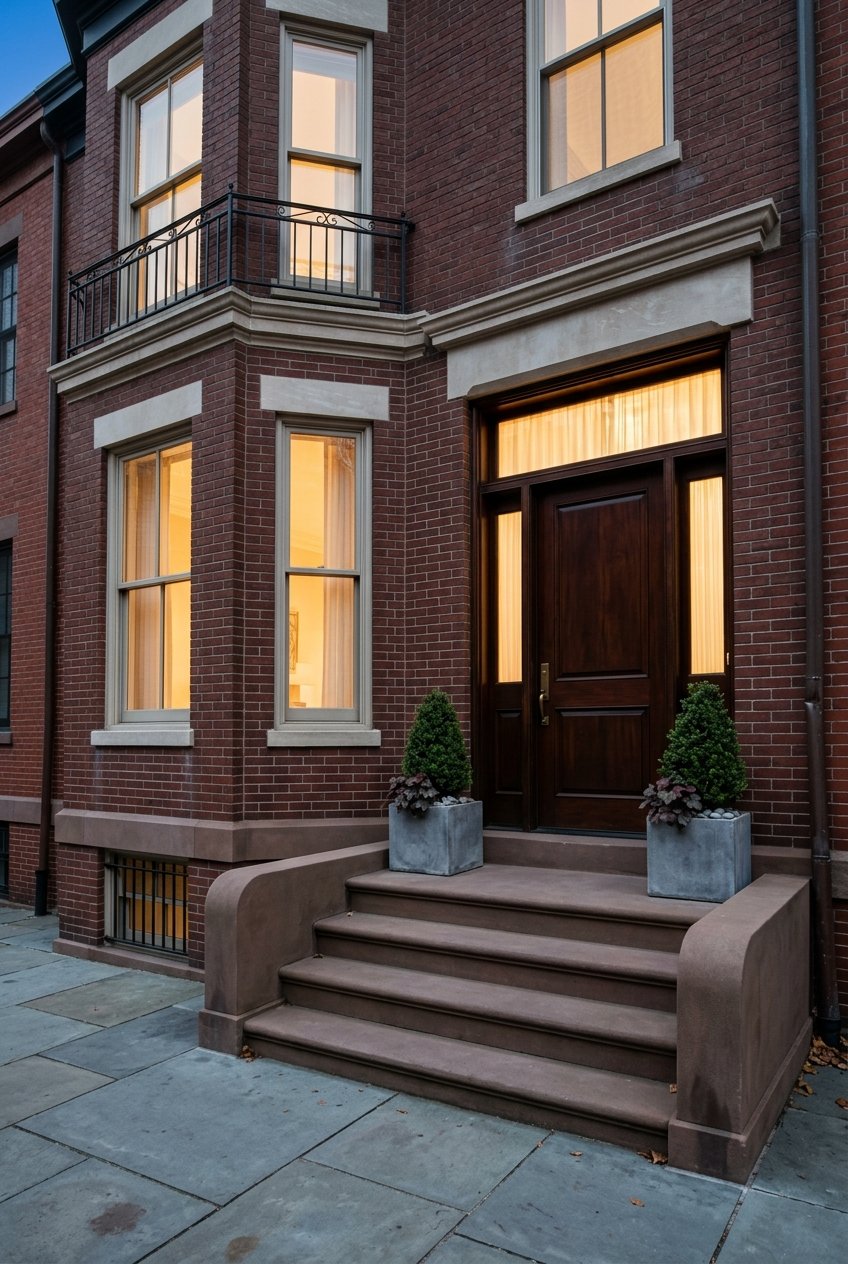
If you want privacy when selling in Back Bay, you do not have to choose between total secrecy and full public exposure. In this market, a discreet sale can be structured to protect your time, your property, and your personal information while still reaching serious buyers. The key is understanding which marketing path fits your goals and where the tradeoffs begin. Let’s dive in.
Why discretion matters in Back Bay
Back Bay is one of Boston’s most visible and architecturally significant neighborhoods. It sits along the Charles River near Downtown and the Public Garden, and it is also a protected historic district with rules around exterior work and changes. That combination makes privacy planning more important here than in many other parts of the city.
For many sellers, discretion is not about hiding the property. It is about controlling who enters the home, when details become widely visible, and how the sale is positioned in the market. That is especially relevant for landmark residences, luxury condominiums, and architecturally distinctive townhouses where presentation and timing matter.
The market backdrop also supports a more selective approach. Back Bay has a highly educated population, a large share of younger adult residents, and a luxury price point that tends to attract informed buyers. In May 2026, Redfin reported a median sale price of $1,524,487, 35 median days on market, and a somewhat competitive market where some homes received multiple offers.
What discreet selling actually means
A private sale is not one single method. In Massachusetts, sellers generally have several ways to reduce visibility while keeping control over the process. The right structure depends on how much exposure you want, how quickly you want to move, and how much access you are willing to allow during the launch period.
Office exclusive sales
In MLS PIN, a seller can refuse to have the property listed in the system by signing a Non MLS Listing Form. This allows the broker to treat the property as an office exclusive. In practical terms, that means the home does not have to appear in the MLS compilation at all.
This is the most private option of the main listing structures. It can work well if your priority is confidentiality, but it also narrows the audience. Because of that, pricing discipline and buyer qualification become even more important.
Delayed listing strategy
A delayed listing is different. Instead of filing the property right away, the listing is held back until a future date. This can give you time to prepare the home, coordinate timing, or manage a sensitive transition before the property enters a broader system.
For some Back Bay sellers, this creates useful breathing room. You can use the prep period to refine presentation, coordinate logistics, and build a launch plan without immediately opening the property to broad public attention.
Coming Soon in MLS PIN
MLS PIN also allows a Coming Soon Listing Form. During the Coming Soon period, the property is considered off market and not active, and showings are not allowed. That period cannot exceed 21 days from filing.
Even so, a Coming Soon listing may still be advertised. That means you can create awareness before allowing traffic through the residence. For a seller who wants a phased rollout, this can be a very practical middle ground.
How to stay discreet without losing exposure
The biggest misconception about private selling is that less publicity always means less opportunity. In reality, exposure can be redirected instead of eliminated. A well-run discreet sale focuses less on broad visibility and more on reaching the right buyers through controlled channels.
Redirected exposure, not zero exposure
Under broader MLS policy, delayed marketing exempt listings can still be available to other MLS participants and subscribers through the platform. That means agents can inform their clients, arrange showings, and submit offers in ways that fit the seller’s chosen structure. Certain non-syndication channels, such as consumer-oriented email or list-sheet distribution, may also support awareness depending on local MLS rules.
That matters because your goal is usually not to reach everyone. Your goal is to reach qualified buyers who are genuinely in a position to act. In the luxury segment, narrower but smarter distribution often produces better control.
The role of qualified buyer screening
The less public the launch, the more important buyer vetting becomes. If you are limiting showings, delaying broad distribution, or avoiding a full public release, every appointment carries more weight. You want each inquiry to be handled carefully and each showing to serve a clear purpose.
This is where an experienced advisor can protect both privacy and momentum. A controlled process helps reduce unnecessary foot traffic, protects your schedule, and keeps attention focused on serious prospects rather than curiosity.
A phased launch can be effective
In Back Bay, a phased strategy often makes sense. You may begin with preparation and internal planning, move into a delayed or Coming Soon period, and then decide whether broader market exposure is necessary. That sequence can preserve privacy early while still giving you a path to wider attention if needed.
For high-value or architecturally significant homes, this kind of pacing can be especially useful. It allows the property to be introduced with intention rather than rushed into the market before it is properly positioned.
Back Bay timing requires local coordination
In a historic district, timing is not just about marketing. It is also about making sure repairs, staging decisions, and photography plans align with local rules. In Back Bay, exterior work requires approval before it begins through the Back Bay Architectural Commission process.
That can affect more than you might expect. If your launch depends on exterior touch-ups, facade work, window changes, or other visible improvements, those details should be addressed early. A discreet sale still needs to be fully prepared, and preparation in Back Bay often starts with understanding what requires approval.
Privacy does not remove disclosure duties
This is one of the most important points for any seller. Discretion is not the same as nondisclosure. A confidential process can protect your privacy, but it does not remove legal obligations tied to the transaction.
Massachusetts consumer protection guidance states that real estate brokers and salespersons must disclose facts that may influence a buyer’s decision, even if the seller shared that information in confidence. In simple terms, a private sale still needs to be handled with full attention to required disclosures and material facts.
That is why process matters. A privacy-focused approach works best when it is paired with clear compliance, disciplined communication, and experienced representation.
Choose the right representation structure
Before sharing sensitive information, make sure you understand how your real estate professional is representing you. Massachusetts requires agency disclosure at the first personal meeting to discuss a specific property. The state’s consumer guidance also explains that a seller’s agent owes the seller undivided loyalty, confidentiality, and accountability.
That is especially important in a discreet sale. You should know whether the professional involved is acting as a seller’s agent, dual agent, or facilitator before discussing timing, pricing strategy, or personal circumstances that affect the sale.
What to look for in a discreet-sale advisor
Not every advisor is equally equipped to manage a controlled launch in Back Bay. If privacy is part of your strategy, look for experience in three specific areas.
Confidentiality discipline
A discreet listing requires careful handling of information from the start. That includes how the property is discussed, how appointments are managed, and how details are shared with the market. The goal is not just to limit visibility, but to control it.
Massachusetts compliance knowledge
Your advisor should understand the difference between privacy and nondisclosure. They should be able to explain the practical distinctions between office exclusive, delayed listing, and Coming Soon options in MLS PIN, as well as the disclosure duties that still apply.
Back Bay historic-district fluency
Local knowledge matters in micro-markets, and Back Bay is a clear example. If timing, prep, or presentation involves exterior work, historic review can shape the launch calendar. A seller benefits from guidance that reflects the realities of this neighborhood rather than a generic citywide approach.
When discreet selling makes the most sense
A private or semi-private strategy can be a strong fit if you value control more than maximum public visibility on day one. That may include sellers with schedule concerns, high-profile ownership, architecturally important homes, tenant considerations, or properties that need careful staging before broad release.
It can also make sense when the buyer pool is likely to be narrow but qualified. In those cases, a targeted rollout may preserve leverage and reduce noise. The best decision depends on your priorities, your timeline, and how the property fits the current Back Bay market.
A discreet sale should never feel improvised. It should be planned with the same precision as any major asset disposition, with clear rules around exposure, access, compliance, and next steps if the first phase does not achieve the desired result.
If you are considering a private or selectively marketed sale in Back Bay, thoughtful strategy matters as much as the property itself. William Montero brings deep Boston luxury-market experience, a discreet approach to high-value representation, and a strong understanding of how to position important properties with control and precision.
FAQs
What does discreet selling mean for a Back Bay property?
- Discreet selling usually means limiting or phasing exposure rather than eliminating it entirely, using options such as an office exclusive, delayed listing, or Coming Soon strategy depending on your goals.
Can a Back Bay home be marketed without full public exposure?
- Yes. Depending on the listing structure, exposure can be directed through controlled channels, qualified broker networks, and selective marketing rather than a fully public launch.
How long can a Coming Soon listing last in MLS PIN?
- In MLS PIN, the Coming Soon period cannot exceed 21 days from filing, and no showings are allowed during that period.
Does a private home sale in Massachusetts still require disclosures?
- Yes. Massachusetts guidance makes clear that required disclosure of facts that may influence a buyer’s decision still applies, even in a confidential sale.
Why does historic-district review matter when selling in Back Bay?
- Because exterior work in Back Bay requires approval before it begins, timing for repairs and presentation may need to be coordinated early as part of your sale strategy.
