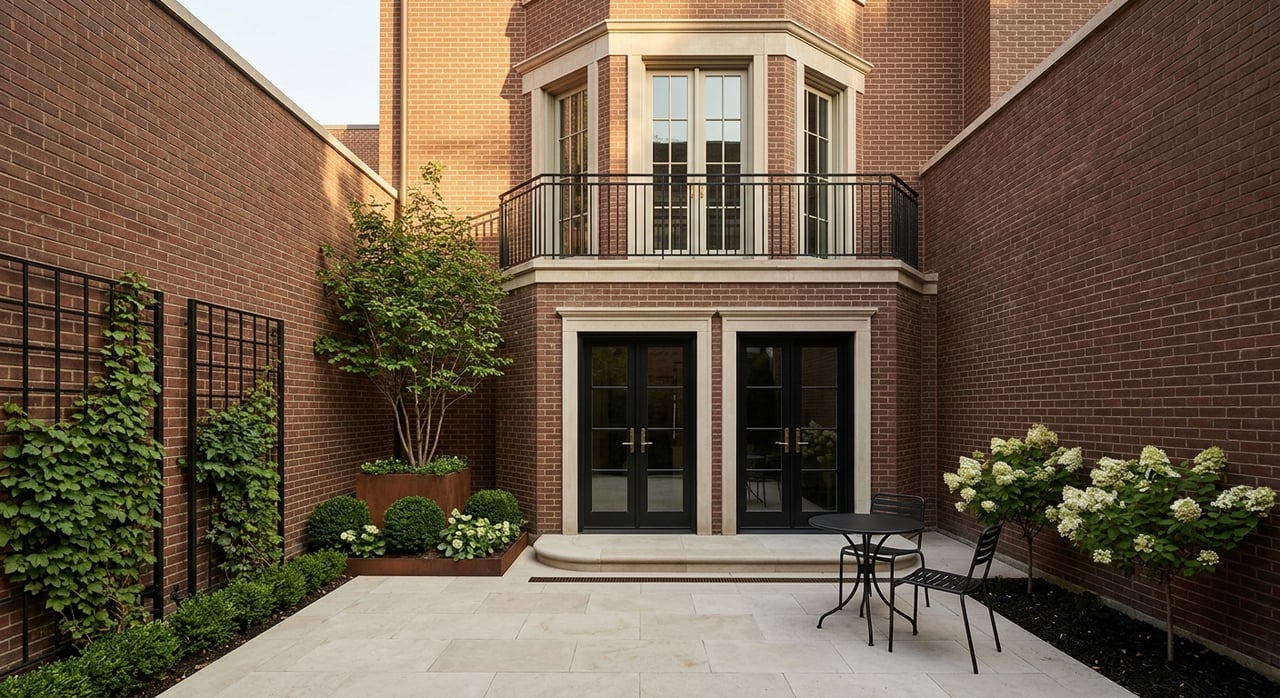
If you are drawn to classic Boston architecture, a polished urban setting, and the ease of living close to almost everything, Back Bay likely already has your attention. Still, charm alone is not enough when you are choosing where to live, especially in one of Boston’s most established and expensive neighborhoods. This guide will help you weigh Back Bay’s character, housing mix, lifestyle, and trade-offs so you can decide whether it fits how you want to live. Let’s dive in.
Why Back Bay stands out
Back Bay is one of Boston’s most recognizable neighborhoods, set along the Charles River and close to Downtown and the Public Garden. According to the Boston Planning Department, the area was created on filled tidal marshes in the mid-1800s, adding about 450 acres to the city. Today, it remains known for elegant architecture, active commercial streets, and a central location that feels distinctly Boston.
The neighborhood is also a protected historic district. That matters because Back Bay is not just visually consistent. It has a strong sense of place that has been preserved over time, which is part of what makes it so appealing to buyers who value architectural character.
What everyday life feels like
Back Bay offers a true urban lifestyle. You can step outside and move easily between residential blocks, shopping streets, restaurants, office buildings, and riverfront open space without feeling like you have left the neighborhood.
The streetscape is a major part of the experience. Boston Planning describes stately Victorian row houses and brick sidewalks along streets like Beacon Street, Marlborough Street, and Commonwealth Avenue. At the same time, Newbury Street and Boylston Street bring a more active rhythm with retailers, restaurants, salons, hotels, and offices.
If you want a neighborhood that feels lively, polished, and highly walkable, Back Bay checks those boxes. If you want a quieter setting with less visitor activity, it may feel a bit busy at times.
Walkability and transit access
Back Bay performs exceptionally well for car-light living. Redfin and Walk Score list the neighborhood with a Walk Score of 97, Transit Score of 96, and Bike Score of 87.
In practical terms, that means daily life can feel very efficient here. Whether you are heading to work, meeting friends, running errands, or enjoying the riverfront, many destinations are within easy reach by foot, transit, or bike.
Green space and river access
For such a central neighborhood, Back Bay has strong access to open space. Boston Planning highlights the Commonwealth Avenue Mall, the Esplanade, the Hatch Shell, and the Paul Dudley White Bicycle Path as key assets.
This gives the neighborhood a softer edge than some people expect from a dense urban district. You are close to city energy, but you also have convenient access to walks along the Charles River, outdoor recreation, and public events.
Back Bay housing: what you can expect
Back Bay is not a suburban-style ownership market. The Boston Planning Department estimates 11,712 total housing units, with 10,166 occupied units. Of those occupied homes, 35.3% are owner-occupied and 56.1% are renter-occupied.
That mix helps explain why condos, apartments, and homes within multi-unit buildings play such a large role here. For many buyers, especially those looking for a primary residence, a pied-à-terre, or a downsizing move, the neighborhood’s housing stock can be a strong fit.
Back Bay is especially compelling if you appreciate:
- Historic row houses and period details
- Luxury condos in central Boston
- Walkable access to shopping and dining
- A refined but active neighborhood setting
- A lock-and-leave style of living
It may be a weaker fit if you want:
- A detached home lifestyle
- A very quiet residential atmosphere
- Broad renovation freedom on exterior details
- Newer building stock as your top priority
Historic district rules matter
Because Back Bay is a protected historic district, exterior changes are reviewed by the Back Bay Architectural Commission. For buyers, this is an important practical consideration.
If preserving architectural integrity is part of what attracts you to the area, these rules can be a benefit. If you prefer maximum flexibility to change a building’s exterior or street-facing features, you will want to understand those constraints before you buy.
Who tends to like Back Bay most
Back Bay often appeals to buyers who want a central Boston address with a high-design, high-convenience feel. The neighborhood profile also reflects an educated and relatively young population, with 87.3% of residents age 25 and older holding a bachelor’s degree or higher, and 42% of residents between ages 20 and 34.
From a lifestyle perspective, the area tends to resonate with people who want to be in the middle of the city without giving up elegance or historic character. That can include professionals, second-home buyers, and downsizers who prefer a sophisticated urban setting over a quieter, more removed environment.
Price point and market pace
Back Bay sits in the upper tier of Boston’s central neighborhoods. Redfin reports a March 2026 median sale price of $1.434 million, with an average of 46 days on market and a somewhat competitive market pace.
That suggests a market with ongoing demand, but not one where you should assume unlimited choice or endless decision time. If you are targeting a particular building, street, or view orientation, preparation matters.
How Back Bay compares nearby
Choosing Back Bay often comes down to what kind of Boston lifestyle you want. Several nearby neighborhoods offer strong alternatives, but each has a different feel.
Back Bay vs Beacon Hill
Beacon Hill is another classic choice if you love historic Boston. Boston Planning describes it with red brick houses, narrow cobblestone streets, and easy walking access to Boston Common, the Public Garden, the Esplanade, and the Hatch Shell.
Compared with Back Bay, Beacon Hill generally feels more intimate and more residential. It also has a slightly higher share of owner-occupied homes, with current estimates showing 46.2% owner-occupied and 48.8% renter-occupied. Redfin lists a March 2026 median sale price of $1.16 million.
Choose Beacon Hill if you want a quieter historic setting. Choose Back Bay if you want a broader retail and dining scene and a more mixed-use urban environment.
Back Bay vs South End
The South End shares Back Bay’s central location and historic housing appeal, but the feel is different. Boston Planning describes it as an elegant residential neighborhood known for Victorian townhouses, many small parks, and a thriving restaurant and arts scene.
South End can feel a bit more neighborhood-social and park-oriented, while Back Bay often feels more formal and more connected to major retail corridors. Redfin lists the South End’s March 2026 median sale price at $1.3675 million.
Choose the South End if you are drawn to a more relaxed social texture and many smaller green spaces. Choose Back Bay if polished streetscapes, iconic architecture, and immediate access to major shopping streets matter more.
Back Bay vs Downtown Boston
Downtown Boston is ideal for buyers who want the most central and transit-rich environment possible. Boston Planning describes it as home to City Hall, corporate headquarters, condos, apartments, theaters, restaurants, cafes, and 5.5 miles of waterfront.
Compared with Back Bay, Downtown is taller, busier, and more office- and hotel-heavy. It also carries a higher March 2026 median sale price on the current figures cited here, at $2.39 million.
Choose Downtown if you want a denser vertical city experience. Choose Back Bay if you prefer a more historic streetscape and a neighborhood identity shaped by row houses and boulevards.
Back Bay vs Seaport
The South Boston Waterfront, often called the Seaport, is the clearest contrast to Back Bay. Boston Planning describes it as a rapidly changing district with many recent apartment and condominium buildings and Harborwalk access along the piers.
If you want newer construction, a more modern visual style, and direct harbor-facing access, the Seaport may be the better match. If you prefer 19th-century character, established streets, and a river-oriented setting, Back Bay is usually the stronger fit.
One important due diligence point
Back Bay’s beauty and history should be considered alongside its physical setting. Boston’s coastal resilience planning notes that Back Bay is part of the city’s historic filled-in coastline, and much of this created land is vulnerable to coastal flooding. Redfin and First Street also flag the neighborhood with extreme flood exposure.
That does not mean Back Bay should be ruled out. It does mean you should approach the purchase carefully by reviewing building-level flood mitigation, basement conditions, and insurance considerations as part of your diligence.
So, is Back Bay right for you?
Back Bay is a strong match if you want classic Boston architecture, excellent walkability, access to daily conveniences, and a central location with a refined urban feel. It is especially attractive if you value condos, historic buildings, and a neighborhood that blends residential streets with major shopping and dining corridors.
It may be less ideal if you want the quietest possible setting, the newest housing stock, or broad freedom to change a property’s exterior. In other words, Back Bay is best for buyers who appreciate both beauty and structure, and who want to live in one of Boston’s most established urban neighborhoods with clear eyes about its costs and constraints.
If you are weighing Back Bay against Beacon Hill, the South End, Downtown, or the Seaport, a neighborhood-level reading of the market can make a major difference. For tailored guidance on Boston luxury neighborhoods, connect with William Montero.
FAQs
Is Back Bay in Boston a good fit for condo buyers?
- Yes. Back Bay’s housing mix, central location, and high walkability make it especially appealing for condo buyers, downsizers, and anyone looking for a lock-and-leave lifestyle in Boston.
What makes Back Bay different from Beacon Hill?
- Back Bay generally feels more mixed-use and active, with major retail and dining corridors, while Beacon Hill tends to feel quieter, more intimate, and more purely residential.
Is Back Bay a walkable Boston neighborhood?
- Yes. Back Bay has a Walk Score of 97, Transit Score of 96, and Bike Score of 87, which places it among Boston’s strongest neighborhoods for car-light living.
Are there historic district rules in Back Bay?
- Yes. Because Back Bay is a protected historic district, exterior changes are reviewed by the Back Bay Architectural Commission.
How expensive is Back Bay compared with other Boston neighborhoods?
- Based on the figures cited in the research, Back Bay’s March 2026 median sale price was $1.434 million, which places it above Beacon Hill, the South End, and the South Boston Waterfront, but below Downtown Boston.
What should buyers check before buying in Back Bay?
- Buyers should review the specific building, any historic district considerations, and flood-related factors such as mitigation measures, basement conditions, and insurance details as part of their due diligence.
