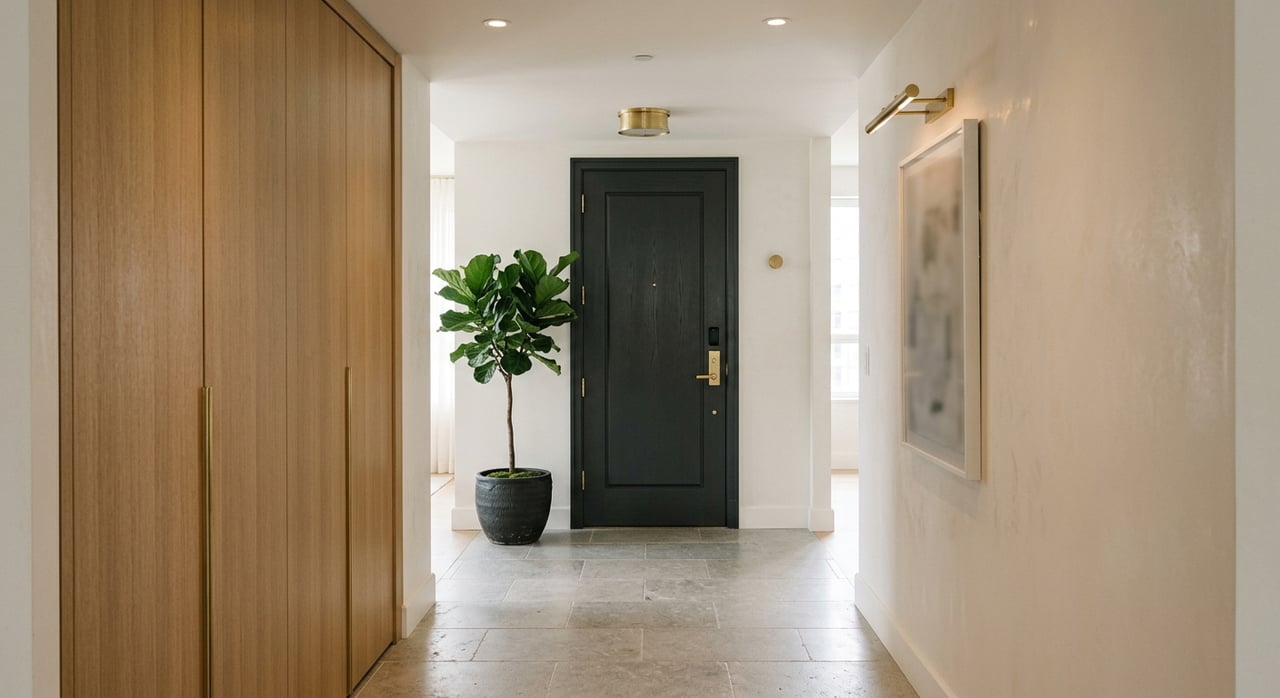
If you are moving to Weston, Wellesley, Newton, or another town west of Boston, you may still find yourself wanting a place in the city. That is especially true if work, dining, cultural plans, or frequent travel still pull you into Boston during the week. For many buyers, keeping a Back Bay base can offer flexibility, convenience, and a long-term hold in one of the city’s most established neighborhoods. Let’s dive in.
Why Back Bay still works
Back Bay remains one of Boston’s best-known urban neighborhoods, with a built environment that is both highly walkable and deeply established. The City of Boston identifies Newbury Street, Boylston Street, and Commonwealth Avenue as core corridors, alongside landmarks like the Prudential Center and the Boston Public Library.
That matters when your primary home moves west of the city. A compact residence in Back Bay can still support the parts of your life that happen in Boston, whether that means meetings, dinners, appointments, or an overnight stay before an early train.
Transit is a major reason this strategy continues to make sense. Boston says Newbury Street is served by Arlington, Copley, and Hynes stations on the Green Line, while Back Bay Station serves the Orange Line, commuter rail, and Amtrak.
Back Bay Station also functions as a downtown Boston arrival point with quick access to nearby destinations like Copley Square, the Boston Public Library, and the Charles River Esplanade. If you plan to split time between suburb and city, that kind of connectivity can make ownership more useful in day-to-day life.
Why some buyers keep a city foothold
A move west of Boston often solves for space, privacy, or a different daily rhythm. At the same time, it can create a gap if you still spend meaningful time in the city.
That is where a Back Bay condo can serve a very specific role. Instead of replacing your suburban move, it complements it by giving you a reliable urban base in a neighborhood that stays relevant to work, dining, and travel.
Back Bay also offers the kind of street life that supports part-time ownership. Boston describes Newbury Street as a mile-long, eight-block stretch of shops, salons, galleries, and restaurants, with pedestrian-only Sundays in the summer.
For many owners, that means your city residence still feels connected and active, even if it is not your full-time home. You are not keeping an apartment just for storage or occasional use. You are keeping access to a neighborhood with real day-to-day utility.
Back Bay’s market position matters
If you are deciding whether to hold a Boston property after moving west, lifestyle is only part of the equation. Market position matters too.
Current data points to Back Bay as a premium and active condo market. Redfin reports 147 condos for sale with a median list price of $1.48 million, a median time on market of 44 days, and a Walk Score of 97.
Redfin also reports a broader Back Bay median sale price of $1,524,487 over the last three months, with a median of 35 days on market. These figures do not guarantee future appreciation, but they do support the view that Back Bay remains a high-value, relatively liquid submarket.
That can be meaningful if you are thinking beyond the immediate move. A Back Bay condo may function not just as a convenience purchase, but as a durable city asset in a neighborhood where buyer interest has remained strong.
Historic character adds staying power
Back Bay’s appeal is not only about location. Its physical character also plays a role in why many buyers continue to value it over time.
Boston notes that the neighborhood was once a tidal body of water that was filled in during the mid-19th century, creating a planned residential district with a layered architectural history. Today, much of that character is protected through the Back Bay Architectural District.
The city says proposed exterior changes in the district are reviewed by the Back Bay Architectural District Commission before work begins. That oversight can affect renovation timing and flexibility, but it also reflects a neighborhood where physical change tends to happen more slowly.
For owners, that slower pace of change can help preserve the visual consistency and historic identity that make Back Bay distinctive. In a luxury market, that kind of scarcity and character often matters.
What to look for in a lock-and-leave condo
Not every Back Bay property fits the same ownership strategy. If you plan to use your residence as a pied-à-terre, the building matters as much as the unit.
In most cases, a full-service building is the strongest fit. Official building examples in Back Bay highlight features such as direct elevator access, automatic parking, butler service, fitness amenities, spa access, residents’ library space, and private dining areas.
You may not need every luxury feature on that list. What usually matters most is the set of practical features that reduce friction when you are not in the city full time.
Features that support part-time ownership
- Secure entry
- Garage or valet parking
- Elevator access
- On-site staff or service support
- Amenity spaces that make short stays easy and comfortable
These details become more important in a neighborhood where curb access and parking are active planning issues. Boston says the city is working on Back Bay mobility projects that include sidewalk improvements, bus reliability, bike lanes, and parking and curbside access.
If you are arriving from the suburbs for a dinner, meeting, or overnight stay, a building with its own parking solution can simplify the experience. That convenience often carries more value than buyers first expect.
Costs to model carefully
A Back Bay base can be appealing, but it should be evaluated with discipline. If the property will no longer be your primary residence, carrying costs need to be modeled accordingly.
One important point is Boston’s residential exemption. The city says this tax benefit applies only to a property you own and occupy as your principal residence, and you can qualify on only one property.
For Fiscal Year 2026, Boston says the exemption can save qualified homeowners up to $4,353.74 on their tax bill. If your Back Bay condo becomes a secondary city residence, you should not assume that savings in your ownership math.
That does not mean the strategy stops making sense. It simply means the decision should be made with a clear view of true annual costs, not an optimistic one.
Renovation limits to understand
If you are considering upgrades, Back Bay’s historic district rules deserve close attention. The city states that all proposed exterior work in the Back Bay Architectural District must be reviewed and approved before work begins.
This is especially relevant if your plans involve windows, façade details, or any other visible exterior change. Even well-intended improvements can require a review process that affects timing and design choices.
Interior projects are a separate conversation, but for exterior work, you should approach planning early and carefully. In a neighborhood like Back Bay, stewardship is part of ownership.
Is this strategy right for you?
Keeping a Back Bay foothold after a move west of Boston is usually not about trying to recreate your former city life full time. It is about preserving access to a neighborhood that still serves your routines, your standards, and your long-term thinking.
For some buyers, that means a compact, highly serviced condo near transit. For others, it means holding an architecturally significant residence in a neighborhood where protected character, strong walkability, and premium market positioning continue to support buyer interest.
The right answer depends on how often you will use the property, what level of service you want, and how carefully the numbers work once the home is no longer your primary residence. When those pieces align, Back Bay can remain a smart and elegant base, even after your center of gravity shifts west.
If you are weighing a move between Back Bay and Boston’s western suburbs, or deciding whether to retain a city residence as part of that transition, William Montero can help you approach the decision with discretion, clarity, and market-specific insight.
FAQs
Is a Back Bay condo still useful after moving to Weston or Wellesley?
- Yes. Back Bay still offers strong transit access, walkability, and proximity to major Boston destinations, which can make it practical as a secondary city base.
What features matter most in a Back Bay pied-à-terre?
- The most useful features are usually secure entry, garage or valet parking, elevator access, and a service model that makes part-time ownership easier.
Does a Back Bay second home qualify for Boston’s residential exemption?
- Usually no. Boston says the residential exemption applies only to your principal residence, and only one property can qualify.
Can you renovate a Back Bay condo exterior freely?
- No. In the Back Bay Architectural District, proposed exterior work must be reviewed and approved before it begins.
Is Back Bay still a strong market to hold long term?
- Current market data supports the view that Back Bay remains a premium, active condo market, though no future performance is guaranteed.
